Maintaining a swimming pool may seem complicated at first, but with the right routine, it becomes simple and manageable. Proper pool maintenance is the key to ensuring clean water, safe swimming conditions, and long-lasting equipment performance.
Whether you are a new pool owner or looking to improve your current maintenance routine, this guide will walk you through everything you need to know about keeping your pool in perfect condition.
Why Pool Maintenance Matters
A swimming pool is constantly exposed to environmental factors such as sunlight, dirt, leaves, body oils, and bacteria. Without regular care, water quality can quickly decline, leading to cloudy water, algae growth, and even equipment damage.
Consistent maintenance helps you:
· Keep water safe and hygienic
· Prevent algae and bacteria growth
· Extend the lifespan of pool equipment
· Reduce long-term repair costs
· Enjoy crystal-clear water at all times
In short, a well-maintained pool is easier to manage and far more enjoyable to use.
The Three Pillars of Pool Maintenance
Successful pool care is built on three essential elements: circulation, cleaning, and water chemistry.
1. Circulation: Keep Water Moving
Proper water circulation is the foundation of a healthy pool system. Stagnant water quickly becomes a breeding ground for algae and bacteria.
To maintain good circulation:
· Run your pool pump daily for 8–12 hours
· Ensure skimmers and return jets are not blocked
· Regularly check for proper water flow
Good circulation ensures that chemicals are evenly distributed and debris is continuously filtered out of the system.
2. Cleaning: Remove Dirt Before It Becomes a Problem
Even with good circulation, debris will naturally enter your pool. Regular cleaning prevents buildup and keeps the water visually clear.
A basic cleaning routine includes:
Daily:
· Skim leaves, bugs, and floating debris from the surface
Weekly:
· Brush pool walls, steps, and corners
· Vacuum the pool floor
· Empty skimmer and pump baskets
Occasionally:
· Deep clean filters based on manufacturer recommendations
Cleaning consistently prevents stains, algae formation, and cloudy water conditions.
3. Water Chemistry: Balance Is Everything
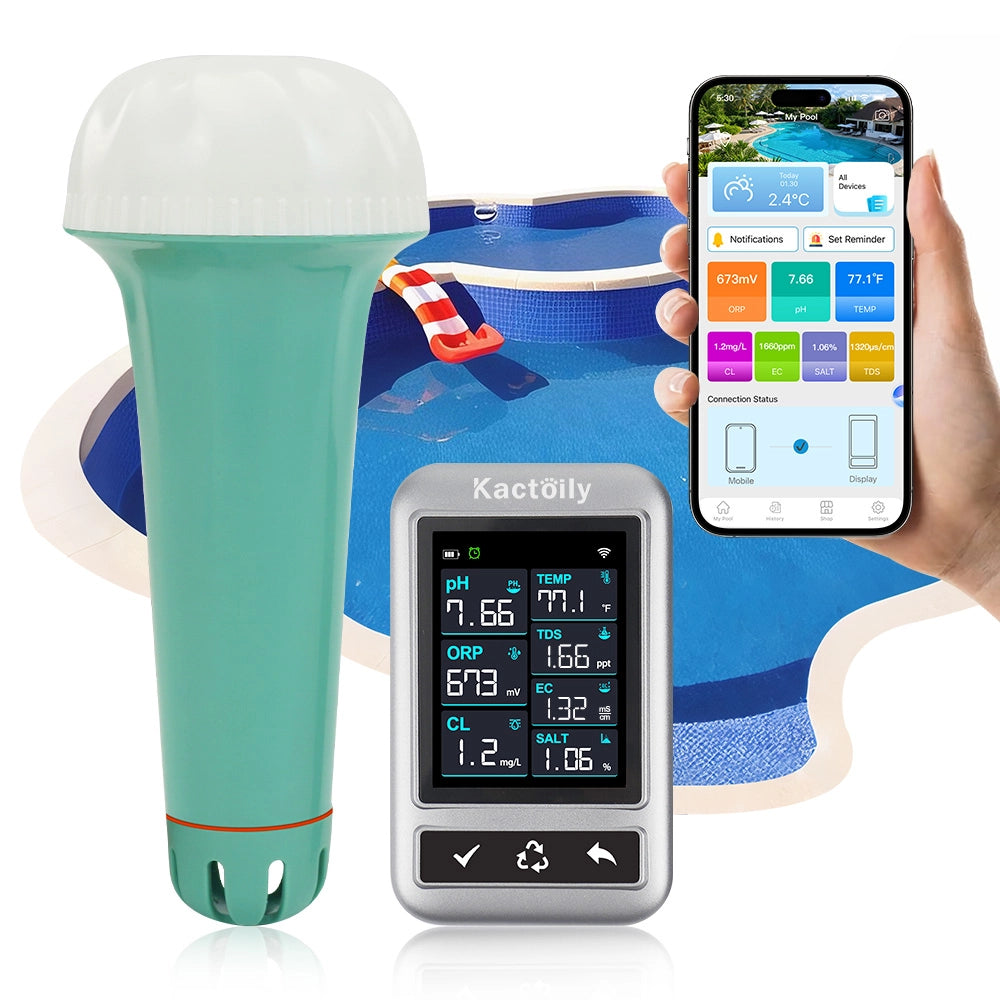
Balanced water chemistry is essential for swimmer comfort and pool protection. Poor water balance can lead to skin irritation, corrosion, or scaling.
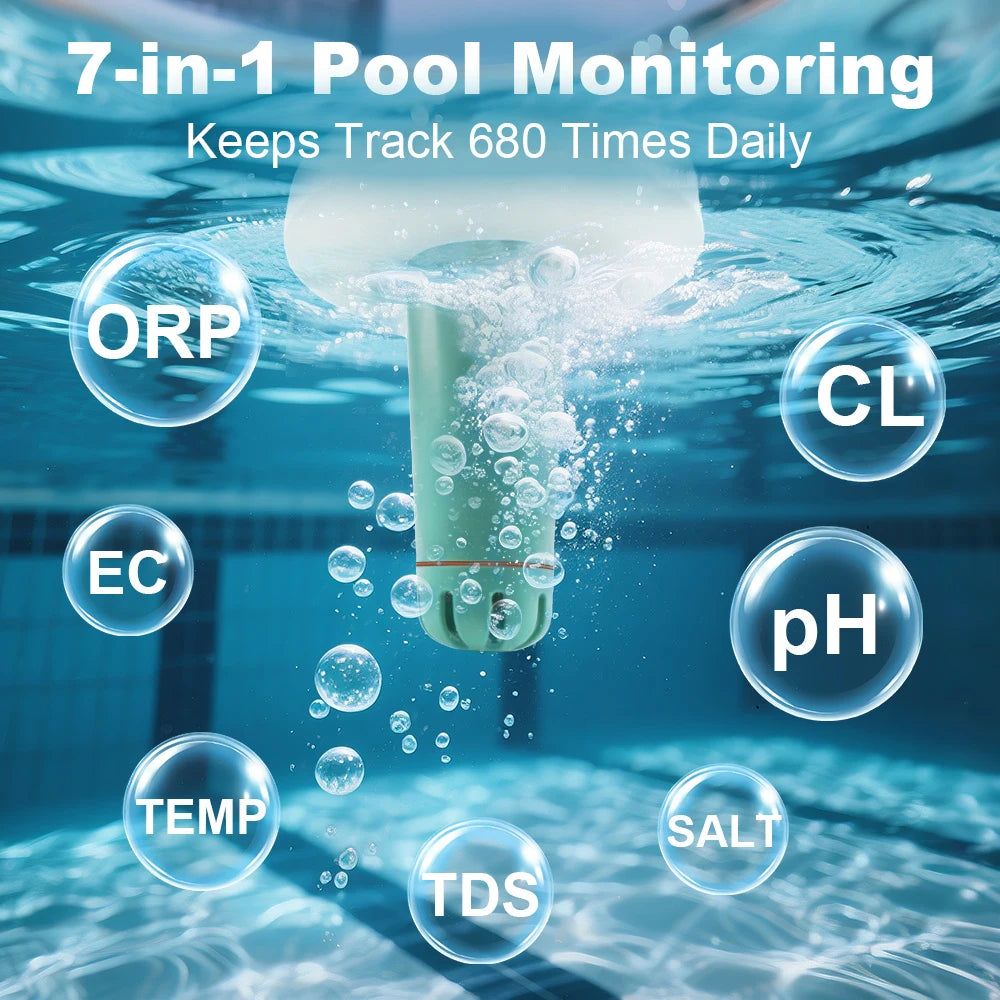
Key parameters to monitor:
· pH level: 7.2 – 7.6
· Free chlorine: 1 – 3 ppm
· Total alkalinity: balanced range for stability
· Calcium hardness: prevents corrosion or scaling
Regular testing ensures your pool water remains safe and stable. It is recommended to test at least 2–3 times per week during heavy use seasons.
Weekly Pool Maintenance Checklist
To keep your pool in top condition, follow this simple weekly routine:
· Test and adjust water chemistry
· Skim surface debris daily
· Brush pool surfaces thoroughly
· Vacuum pool floor
· Clean skimmer and pump baskets
· Inspect filtration system
Consistency is more important than intensity. Small regular actions prevent larger and more expensive issues later.
Understanding Your Pool Equipment
Your pool system relies on several key components working together:
· Pump: circulates water through the system
· Filter: removes dirt and fine particles
· Skimmer: collects surface debris
· Return jets: send clean water back into the pool
If any part of this system is not functioning properly, water quality will quickly decline. Regular inspection and maintenance of equipment ensures long-term efficiency and reliability.
Common Pool Problems and How to Prevent Them
Even well-maintained pools can experience issues. Here are the most common problems and their causes:
Cloudy Water
Usually caused by poor filtration or unbalanced chemicals.
Algae Growth
Often results from low chlorine levels or insufficient circulation.
Strong Chlorine Smell or Eye Irritation
Typically caused by chemical imbalance rather than too much chlorine.
Most of these issues can be prevented with regular testing and consistent cleaning routines.
Seasonal Pool Care Tips
Pool maintenance changes slightly depending on the season:
Summer
· Increase pump runtime due to higher usage
· Test water more frequently
· Add chlorine as needed
After Heavy Rain or Storms
· Remove debris immediately
· Re-test water chemistry
· Adjust chemicals if diluted
Off-Season or Vacation
· Use a timer for circulation
· Ensure water is balanced before leaving
· Cover pool when not in use
Proper seasonal care helps avoid unexpected water quality issues.
FAQ:
How often should I run my pool pump?
It is generally recommended to run your pool pump for 8–12 hours per day to ensure proper water circulation and filtration. During hot weather or heavy use, you may need to increase the runtime.
How often should I test my pool water?
You should test your pool water at least 2–3 times per week during the swimming season. If the pool is heavily used or after rain, testing more frequently is recommended.
Why is my pool water cloudy?
Cloudy water is usually caused by poor filtration, unbalanced chemicals, or insufficient circulation. Testing water chemistry and cleaning the filter can often solve the issue.
How do I prevent algae growth in my pool?
To prevent algae, maintain proper chlorine levels, ensure good water circulation, and clean pool surfaces regularly. Algae often develops when water is stagnant or chemical levels are unbalanced.
Do I need to clean the pool filter regularly?
Yes. Pool filters should be checked and cleaned regularly based on usage and manufacturer guidelines. A dirty filter reduces circulation efficiency and affects water clarity.
What happens if I don’t maintain proper water chemistry?
Poor water balance can lead to skin irritation, equipment corrosion, algae growth, and cloudy water. Regular testing helps avoid these issues.
Final Thoughts
Pool maintenance doesn’t need to be complicated or time-consuming. By following the three core principles—circulation, cleaning, and water chemistry—you can keep your pool water clean, safe, and inviting throughout the entire swimming season.
A consistent routine is the key. With just a little regular attention, your pool will remain a refreshing and enjoyable space for years to come.