Introduction
Making great bread is not only about following a recipe. One of the most important factors that determines the final texture, flavor, and appearance of bread is dough fermentation.
Many home bakers experience the same problem: the same recipe produces different results every time. Sometimes the bread is dense and heavy, while other times it collapses or develops uneven texture.The reason is often simple — the dough fermentation process was not accurately monitored.
Understanding when your dough is perfectly fermented can help you create better bread with more consistent results.
Why Is Dough Fermentation So Important?
During fermentation, yeast converts sugars into carbon dioxide and alcohol. The carbon dioxide creates air pockets inside the dough, helping bread become light and fluffy.
Proper fermentation affects:
- Bread volume
- Crumb structure
- Texture
- Flavor
- Overall baking quality
However, fermentation is influenced by many factors:
- Room temperature
- Humidity
- Flour type
- Yeast activity
- Dough hydration
- Fermentation time
This is why simply following a recipe’s recommended fermentation time does not always work.
Common Ways Bakers Check Dough Fermentation
1. Checking Dough Size
Many bakers judge fermentation by how much the dough expands.
Problem:
The same dough can rise faster or slower depending on environmental conditions.
A dough that doubles in size does not always mean it is ready.
2. The Finger Press Test
The finger press test is a traditional method:
- Slowly press your finger into the dough
- Observe how quickly the dough springs back
Results:
- Quickly returns → under-fermented
- Slowly returns → properly fermented
- Does not return → over-fermented
Problem:
This method requires experience and can be difficult for beginners.
3. Checking Fermentation Time
Many recipes provide a recommended fermentation period.
For example:
“Let the dough ferment for 60 minutes.”
However, fermentation speed changes with temperature and humidity.
A dough that takes 60 minutes in summer may require much longer in winter.
What Is a Dough Tester?
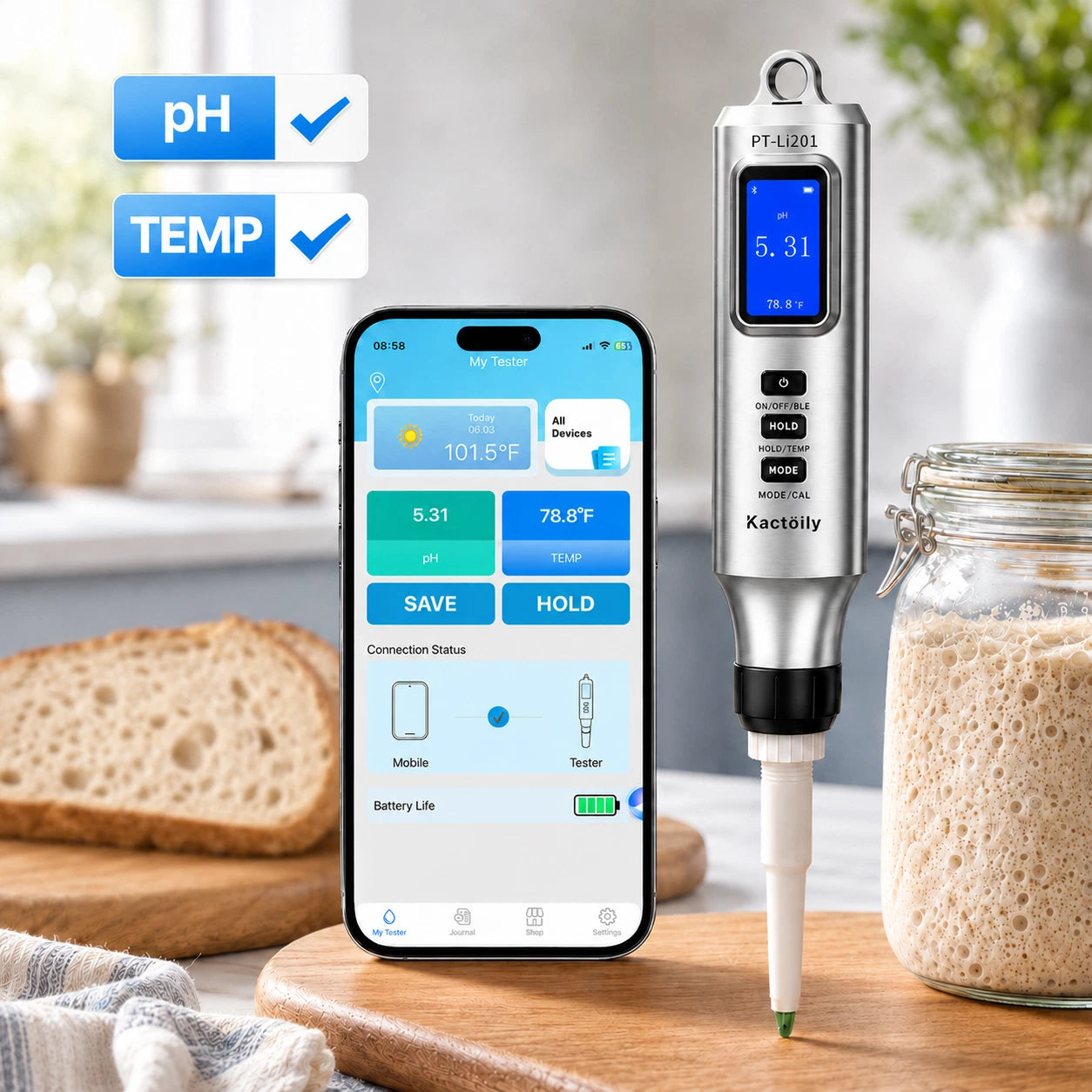
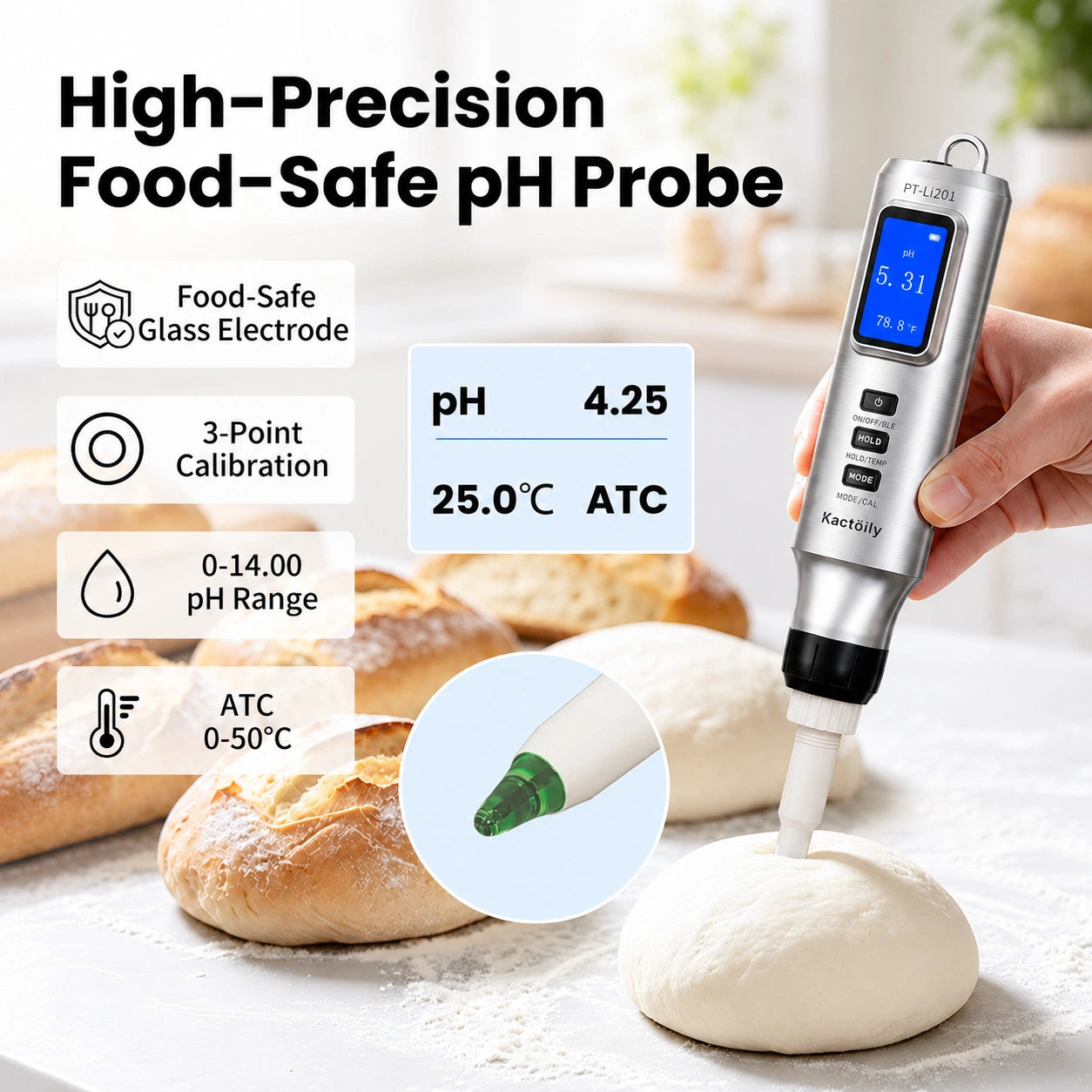
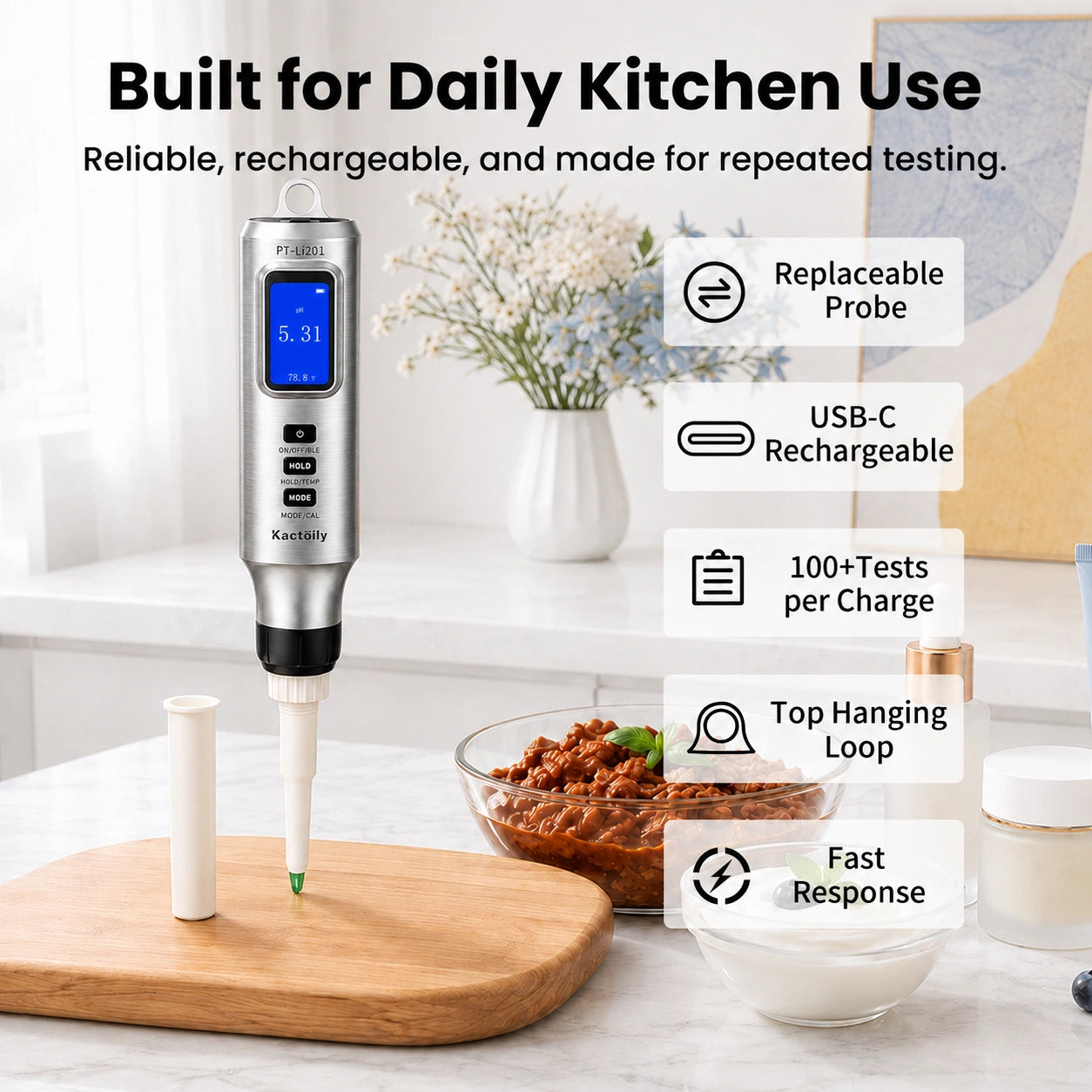
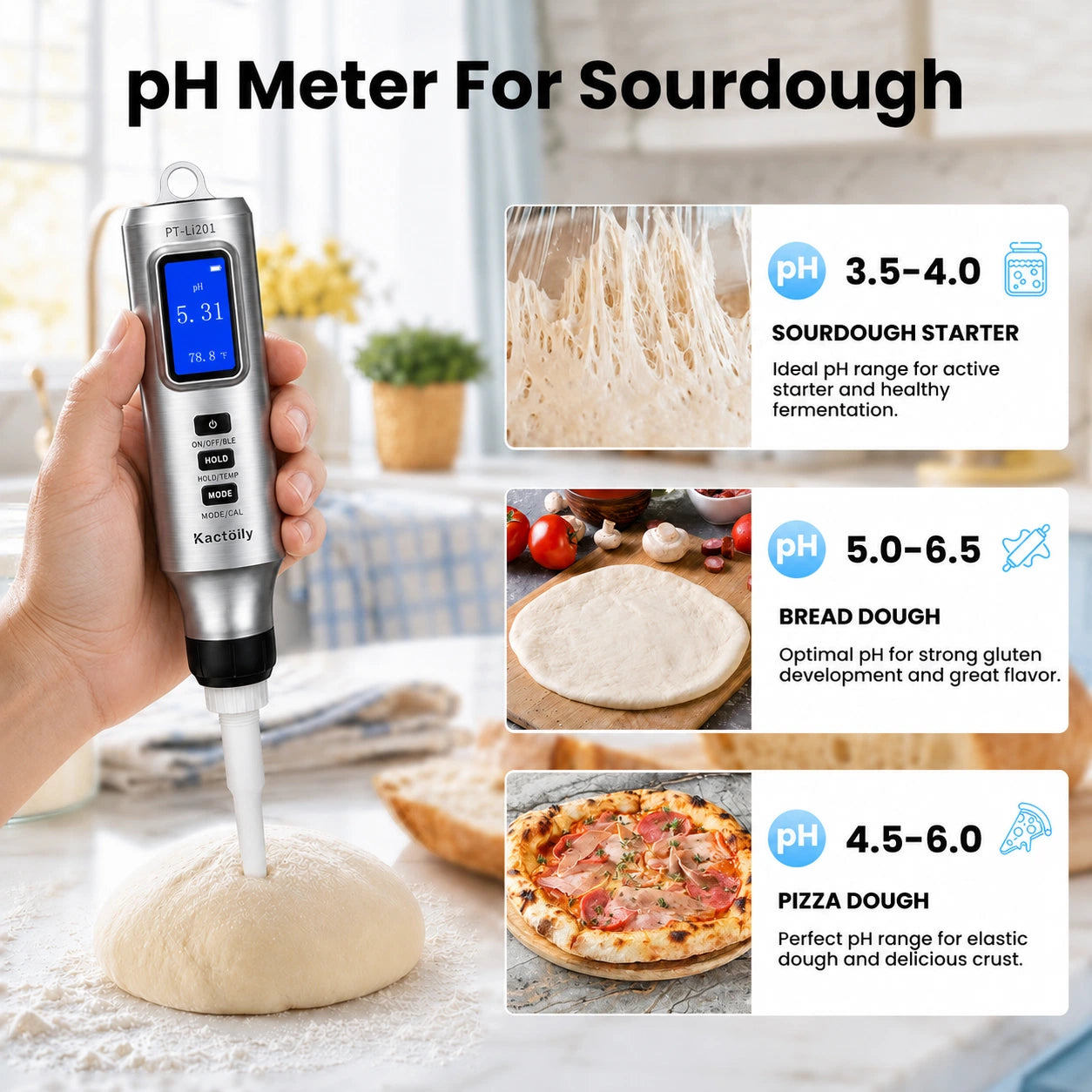
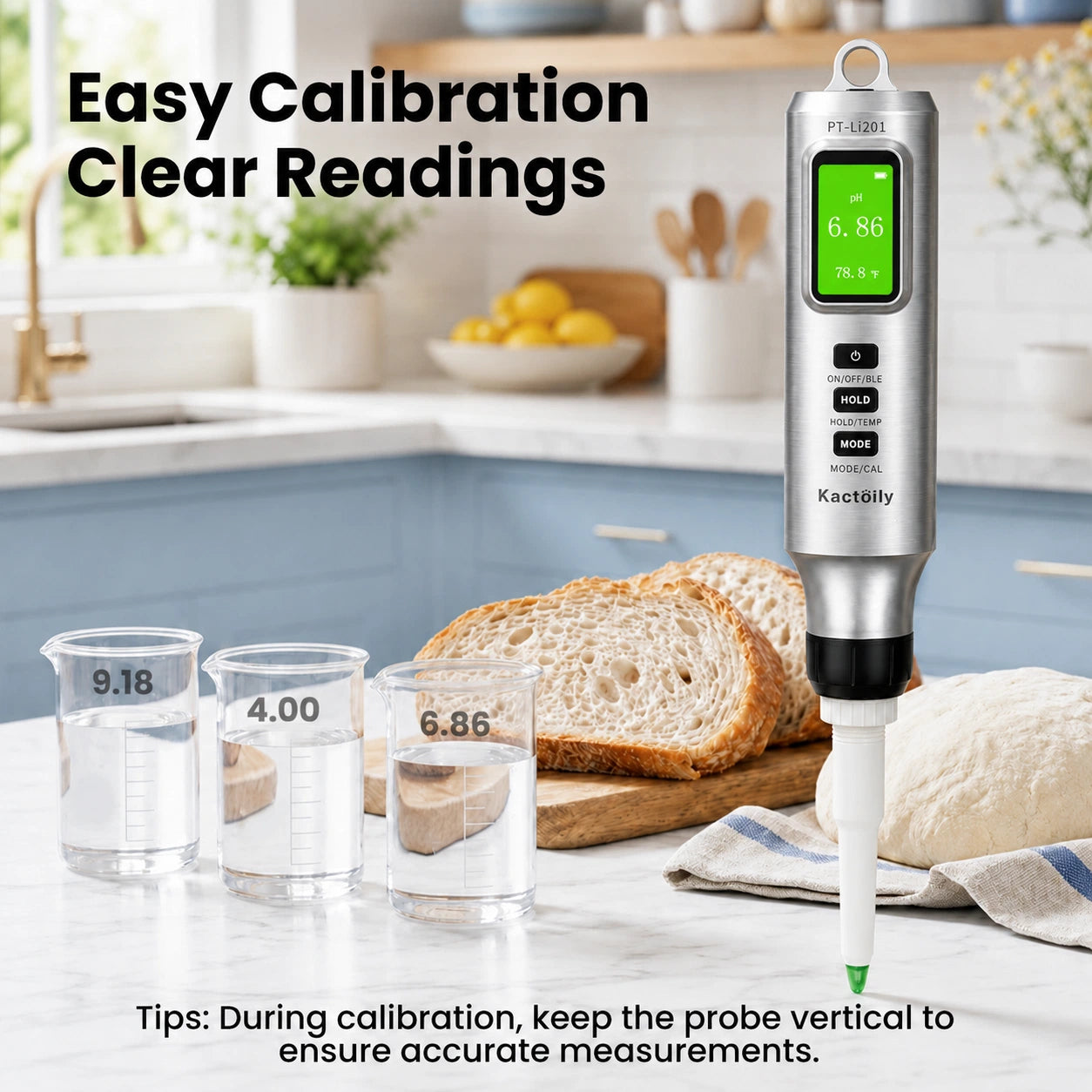
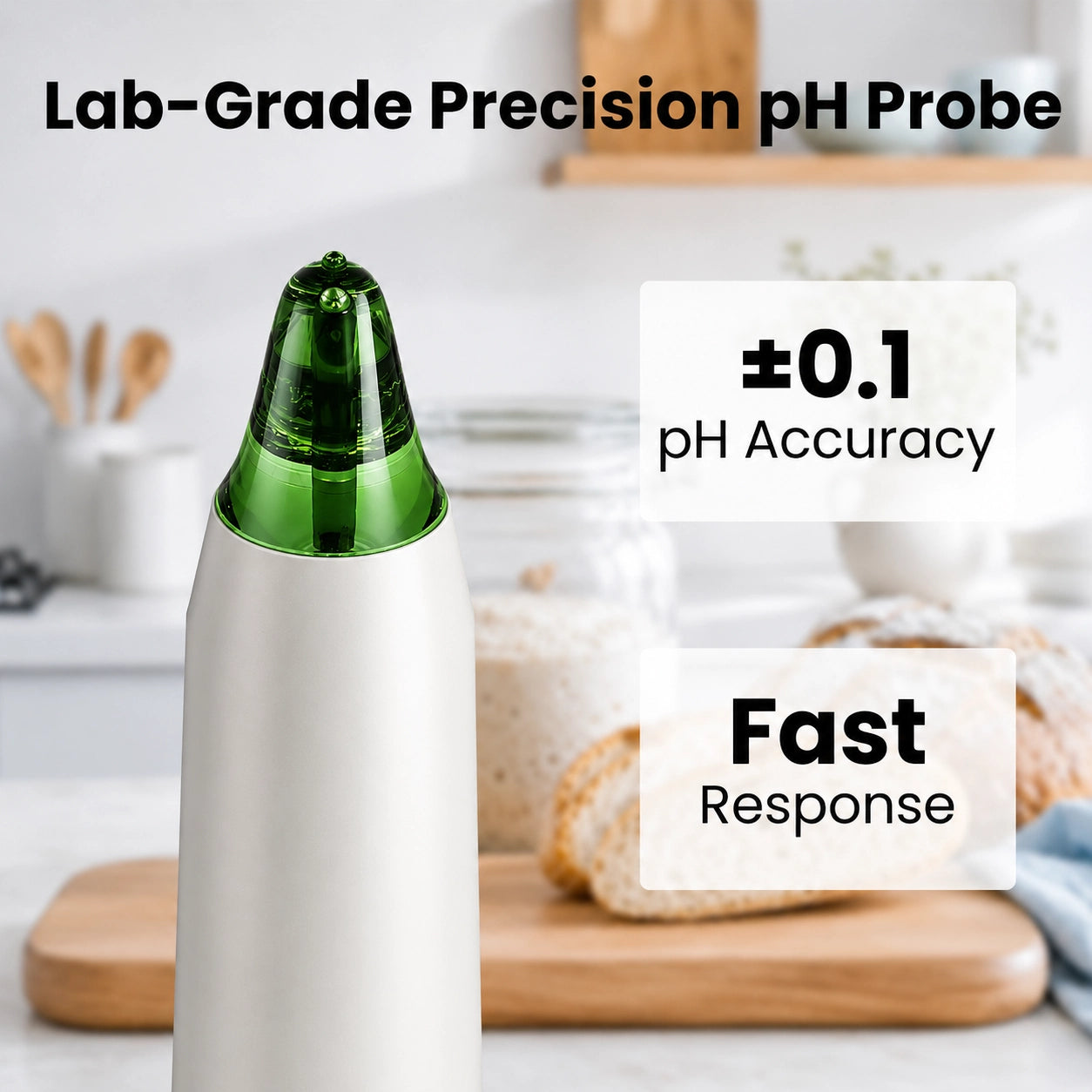
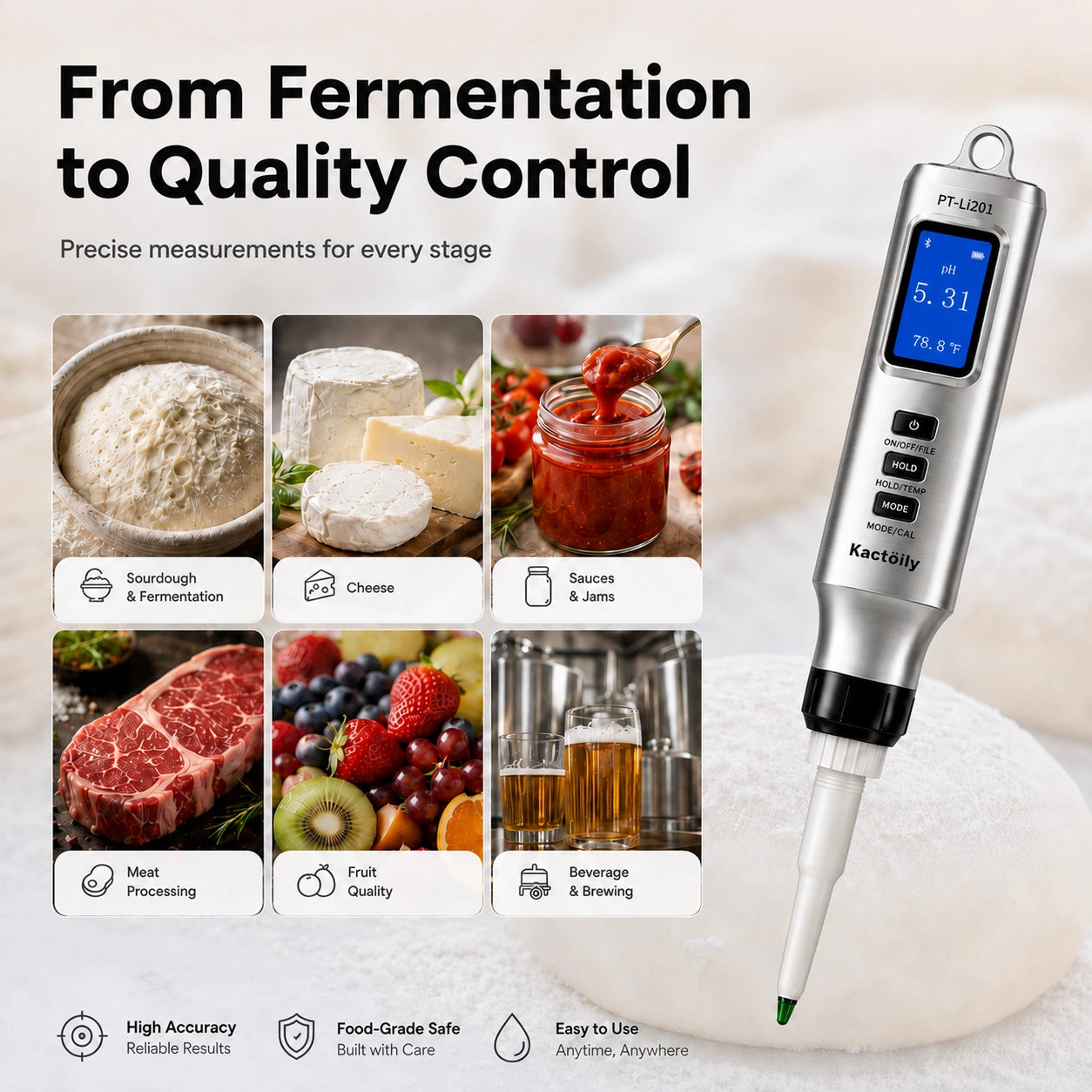
A dough tester is a tool designed to help bakers monitor dough conditions more accurately during fermentation.
Instead of relying only on time or visual judgment, bakers can use additional measurements to better understand the dough’s current state.It helps reduce guesswork and improves consistency, especially for:
- Home bakers
- Bread enthusiasts
- Sourdough makers
- Small bakeries
Benefits of Using a Dough Tester
More Consistent Baking Results
By better understanding fermentation progress, bakers can repeat successful recipes more easily.
Reduce Failed Batches
Avoid problems caused by:
- Under-proofing
- Over-proofing
- Incorrect fermentation timing
Improve Baking Skills
A testing tool helps beginners learn how dough changes throughout fermentation.
Who Should Use a Dough Tester?
A dough tester is especially useful for:
Home Bakers
Who want better results without relying only on experience.
Sourdough Bakers
Because natural fermentation can vary significantly.
Baking Enthusiasts
Who want to experiment with different recipes.
Small Bakeries
That need more consistent production quality.
Traditional Dough Testing vs Dough Tester

Final Thoughts
Perfect bread starts with understanding your dough.
While experience plays an important role in baking, using the right tools can make fermentation easier to monitor and help bakers achieve more consistent results.
A dough tester allows bakers to move from guessing fermentation time to understanding dough condition, making every bake more predictable.